Vintage Sylvania BAK Exciter Lamp 4V 0.75A Movie Projector Bulb
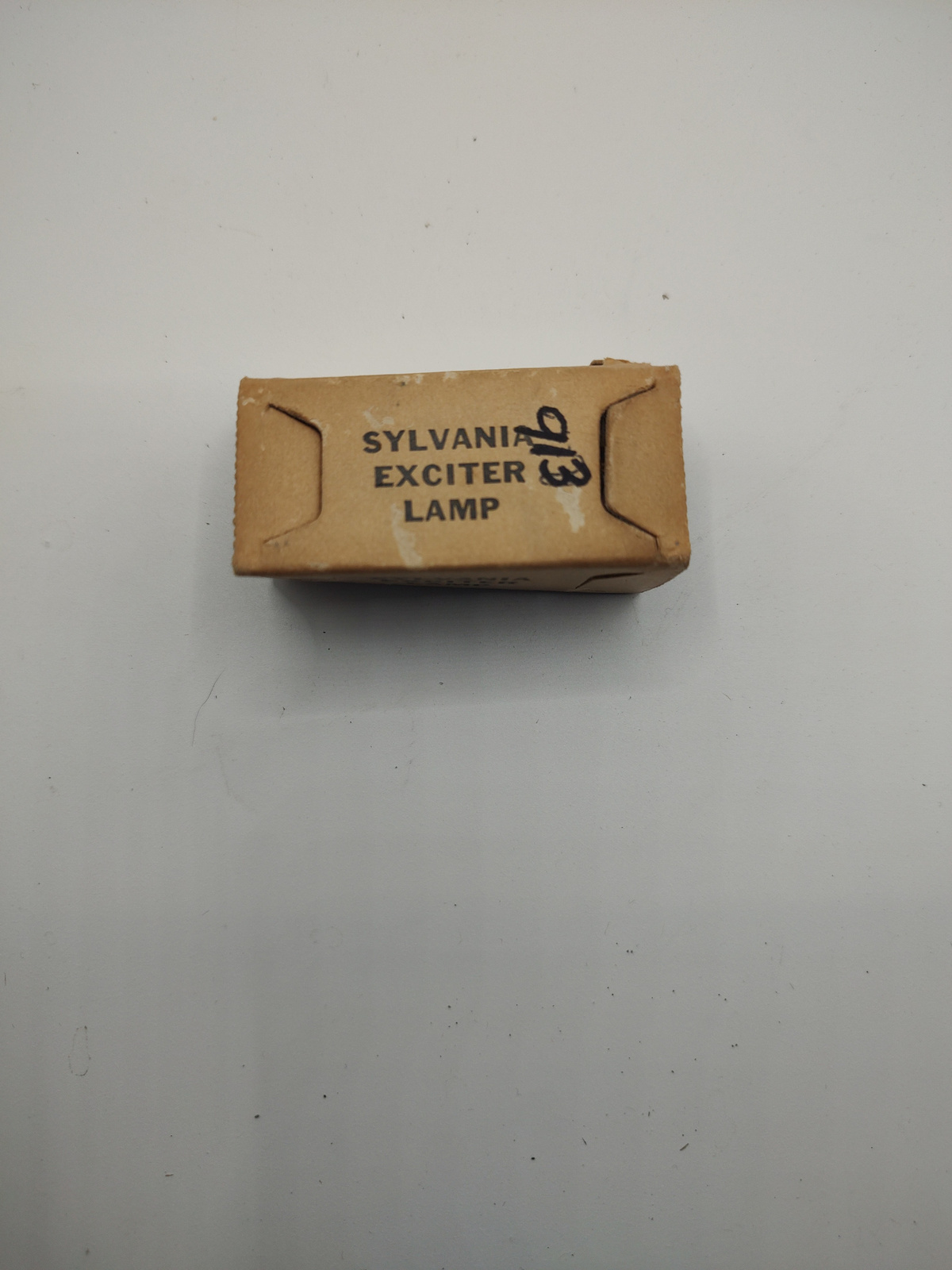
📸 Click any thumbnail to inspect Front, Back & Angles (3 Photos)
As an eBay Partner, we may earn a commission if you make a purchase.
Item Specifications
- Brand: Sylvania
- Type: Exciter Lamp / Sound Bulb
- ANSI Code: BAK
- Voltage: 4V
- Amperage: 0.75A
- Country of Origin: Japan
- Category: Lighting & Hardware
- Format / Type: Projector & Specialty Bulbs
Looking for Modern Alternatives?
Explore top-rated, modern Lighting & Hardware and related historical accessories on Amazon.
Shop Lighting & Hardware on Amazon →As an Amazon Associate, we earn from qualifying purchases.
Historical Context & Overview
In the golden age of analog cinema, reproducing motion pictures required far more than just projecting images onto a screen. Delivering synchronized audio relied on sophisticated optical sound technology integrated directly into the projector mechanism. At the heart of this optical sound pickup system sat the exciter lamp—a specialized, highly calibrated light source engineered specifically to read sound tracks printed along the edge of motion picture film. This vintage Sylvania BAK 4-Volt, 0.75-Amp exciter lamp represents an essential piece of mid-century audio-visual engineering, created to ensure crisp, accurate audio playback for home and educational film systems.
Illuminating Analog Sound: The Science of Optical Audio Tracks
Unlike modern digital soundtrack delivery or magnetic striping, classical optical sound systems convert physical variations in light into electrical audio signals. As film travels through the projector optical soundhead, a narrow slit of light generated by the exciter lamp passes through the film's optical soundtrack—either a variable-area or variable-density waveform pattern. The fluctuating light intensity transmitted through the film strikes a light-sensitive photoelectric cell on the opposite side, converting light variations into dynamic audio signals that feed into the projector's vacuum tube or solid-state amplifier.
Because optical sound readout requires extraordinary fidelity, exciter lamps are manufactured to far stricter tolerances than standard projection illumination bulbs. The filament must maintain an exact physical alignment, uniform brightness, and stable filament geometry to prevent humming, distortion, or frequency loss during film playback. Even minor imperfections in filament placement can alter the focal point of the optical slit, resulting in muffled sound or high-frequency attenuation.
Technical Specifications of the Sylvania BAK Lamp
Manufactured in Japan under Sylvania’s stringent quality control standards, the BAK specification was widely utilized across various vintage 16mm and 8mm sound projectors. Operating at a low-voltage specification of 4 Volts and drawing 0.75 Amperes, this lamp provided the controlled, steady illumination necessary for reliable optical sound pickup without generating excessive thermal load within the compact soundhead housing.
The lamp features a pre-focused flange base stamped with key electrical and mechanical identifiers, including its 4V 0.75A rating, "BAK" ANSI designation, and origin marking. This flanged collar design ensured that projectionists could drop replacement bulbs into position with precise alignment relative to the optical lens assembly, eliminating the need for tedious manual re-focusing in the field. Preserved in its original cardboard sleeve, this unused bulb retains its factory glass clarity and intact filament assembly.
Essential Gear for Film Preservationists and Projectionists
For motion picture archivists, cinematic historians, and vintage technology enthusiasts, maintaining original hardware in operating condition is vital to preserving film heritage. Finding original, unused exciter lamps with intact filaments becomes increasingly challenging as vintage component supplies diminish over time. Whether restoring a classic classroom projector or maintaining a historical archival screening rig, authentic unused vintage components like this Sylvania BAK lamp are crucial for experiencing classic sound cinema as it was originally intended to be heard.