Antique 1911 Embossed Pansy Floral Postcard Caldwell Missouri
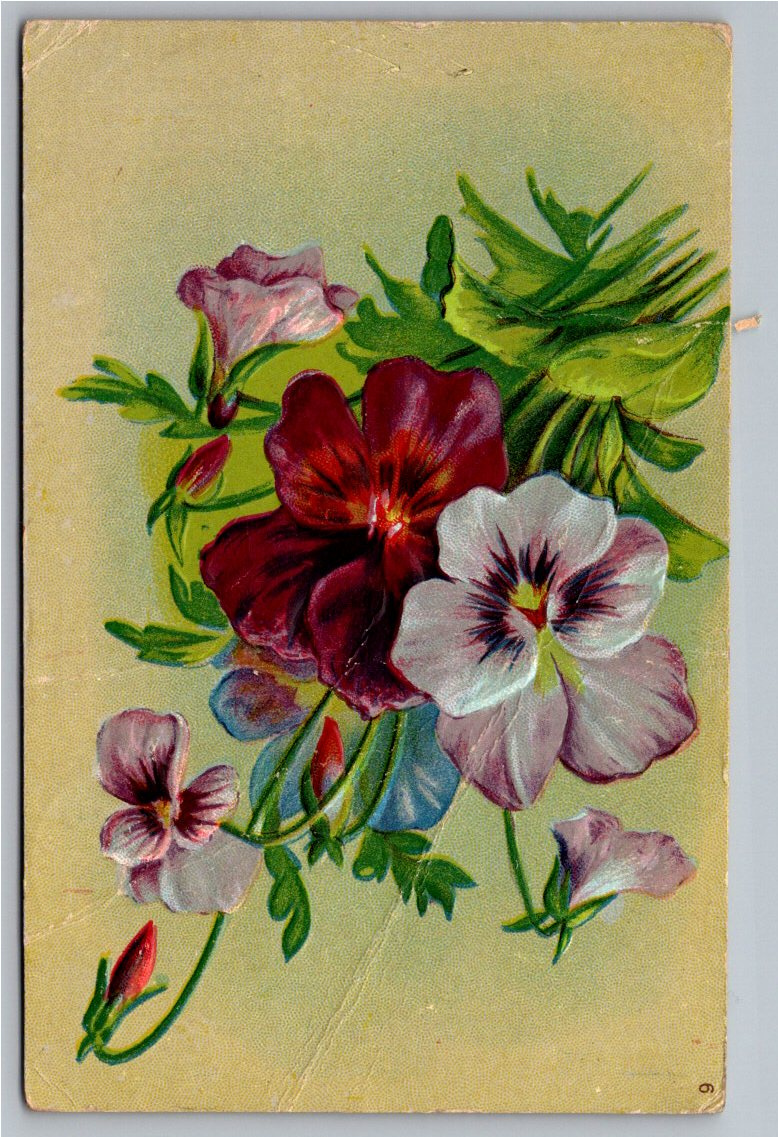
📸 Click any thumbnail to inspect Front, Back & Angles (2 Photos)
As an eBay Partner, we may earn a commission if you make a purchase.
Item Specifications
- Era: Divided Back (1907–1915)
- Year: 1911
- Subject: Pansy Floral Motif
- Technique: Embossed Chromolithography
- Postmark: Caldwell, Missouri
- Destination: Gallatin, Missouri
- Category: Postcards & Ephemera
- Format / Type: Vintage Postcards
Looking for Modern Alternatives?
Explore top-rated, modern Postcards & Ephemera and related historical accessories on Amazon.
Shop Postcards & Ephemera on Amazon →As an Amazon Associate, we earn from qualifying purchases.
Historical Context & Overview
During the Golden Age of Postcards (roughly 1907 to 1915), sending illustrated cards was the primary mode of quick, affordable visual communication across North America and Europe. Among the most cherished designs of this era were floral motifs, prized not only for their botanical beauty but also for their rich Victorian and Edwardian symbolism. This original 1911 postcard features a vibrant, embossed arrangement of pansies, capturing the elegant craftsmanship and sentimental spirit of early twentieth-century print culture.
Botanical Artistry and the Language of Pansies
In the popular "language of flowers" cultivated during the nineteenth and early twentieth centuries, the pansy held a special place. Derived from the French word pensée, meaning "thought," the flower was universally understood as a symbol of loving remembrance, consideration, and fond affection. Sending a pansy postcard was a quiet, artful way of telling a recipient, "you are in my thoughts."
This particular card showcases high-relief embossing, a popular finishing technique that gave printed illustrations a tactile, sculpted dimension. The central arrangement includes deeply saturated velvet-maroon and delicate lavender-white pansies accompanied by emerging buds and leafy greenery. Print shops across Europe—particularly in Germany, where the finest chromolithography was produced—manufactured these cards for export. The multilingual heading on the reverse ("Postkarte – Carte postale") reflects the globalized manufacturing networks that supplied the booming American post card craze.
A Snapshot of Rural Missouri Postal History
While the artistic front offers a timeless aesthetic, the reverse side provides a tangible historical record of rural American life in 1911. The postcard bears a clear circular hand-stamp from Caldwell, Missouri, dated January 19, 1911, paired with a green one-cent Benjamin Franklin stamp—the standard domestic postcard rate of the era.
Addressed to Mrs. R.B. Trotter of nearby Gallatin, Missouri, the card was routed via R.F.D. #1 (Rural Free Delivery). Established by the Post Office Department in the late 1890s and expanded rapidly throughout the 1900s, Rural Free Delivery revolutionized farm life across the Midwest, connecting isolated rural families to daily news, mail, and loved ones without requiring a trip into town.
Intimate Family Correspondence
The concise handwritten message from "Mary & family" captures the everyday human side of turn-of-the-century life. Mary writes to inquire about family health, asking how Homer is recovering from his illness and whether "papa got entirely over his cold yet," before assuring the recipient that her own household is currently well. Before home telephones became ubiquitous, postcards served as the turn-of-the-century equivalent of a quick text message or status update, keeping sprawling rural families closely linked across neighboring towns.
For collectors of historical ephemera, Missouri postal history, or antique floral art, this 1911 embossed postcard stands as a remarkably preserved bridge to a gentler, more tactile era of American communication.